We explain clearly which fabrics can be used for awnings and pergolas, how each one performs and where it works best. Choosing shade and a cooler space is not the same as prioritising airflow, privacy or protection from rain.
Samples are for guidance only. Colours may vary from one screen to another, so it is best to view a physical sample before choosing the final finish.
A clearer way to choose
Which fabric is right for each use?
There is no single fabric that is best for every project. The right choice depends on the type of awning or pergola, its orientation, how the space will be used and whether shade, airflow, solar protection or rain resistance is the priority.
01
Shade and comfort
Acrylic fabric is the most common choice for retractable arm awnings, straight-arm awnings, balcony awnings and other sun protection systems. It provides pleasant shade, allows the area beneath it to breathe and retains its colour well.
02
Rain and waterproofing
Solrain is a waterproof textile option for systems designed to handle rain. On tensioned pergolas, Opak, Cube and Trend provide a very high level of water protection and, thanks to their denser construction, also help reduce heat beneath the cover.
03
Airflow and outward views
Micro-perforated fabrics such as Soltis 92, Soltis 96 and other screen fabrics allow air to circulate, reduce glare and retain a degree of outward visibility.
04
Pergolas and outdoor structures
Opak, Cube, Trend and Trend Light are designed especially for tensioned pergolas. They provide opacity, very high water protection, durability and a more refined finish when viewed from below.
!
A waterproof fabric does not turn every awning into a roof designed to withstand storms. On a retractable arm awning, pooled water and strong gusts can overload the arms and shorten the mechanism’s service life. The system itself, its pitch and correct use are just as important as the fabric.
Fabric
Best suited to
Airflow
Water protection
Main advantage
Acrylic
Retractable awnings, windows, balconies and terraces
Good
Water-repellent, but not waterproof
Comfort, colour and durability
Solrain
Awnings and pergolas requiring waterproof protection
Moderate
High when correctly made and installed
Textile appearance with waterproof performance
Green
Awnings and pergolas with an environmental focus
Good
Water-repellent, but not waterproof
Photocatalysis, self-cleaning properties and reduced mould growth
Soltis 92 / Soltis 96 / Screen
Awnings, vertical systems, windows, pergolas and technical solar control
Very good
Low: water passes through the micro-perforations
Control of heat, light and outward visibility
PVC / VIP-FR
Fixed covers and specific technical applications
Low
Very high
Waterproof performance
Opak / Cube
Tensioned pergolas, patios, gardens and hospitality spaces
Low
Very high
Opacity, solar protection and underside finish
Trend / Trend Light
Tensioned pergolas and contemporary structures
Low
Very high
Woven texture and lower weight
The most widely used option
Acrylic fabric
We work with acrylic fabrics from Sauleda and Recasens, two manufacturers specialising in fabrics for outdoor sun protection. These fabrics are made from solution-dyed acrylic fibre, which helps them retain their colour and withstand long-term outdoor use.
“Solution-dyed” means the colour is embedded throughout the fibre from the outset rather than applied only to the surface. This improves resistance to sunlight, wear and weathering, helping the fabric retain its appearance for longer.
As well as protecting from the sun, acrylic fabric allows the area beneath the awning to breathe and creates more comfortable shade. Depending on the colour and design selected, it can block over 90% of ultraviolet radiation.
UV
Solar protectionReduces direct solar radiation and helps create a more comfortable shaded area.
↺
BreathabilityAvoids the feel of a completely sealed cover and creates a more pleasant environment beneath the awning.
●
Long-lasting colourSolution dyeing improves colour resistance to sunlight and outdoor use.
Classic plain colours
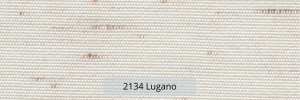
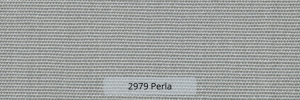
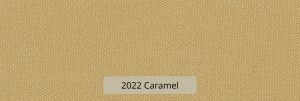
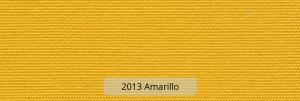
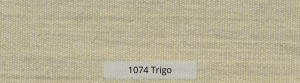
A selection of neutral, warm and coloured shades that continue to work particularly well on façades and terraces.
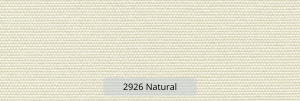
2926 Natural
2134 Lugano
2979 Pearl
2022 Caramel
2013 Yellow
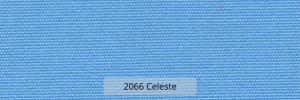
2066 Sky Blue
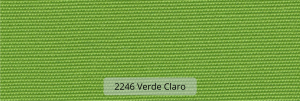
2246 Light Green
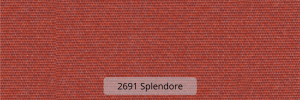
2691 Splendore
New-generation plain fabrics
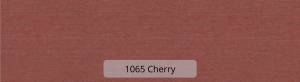
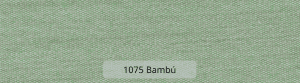
More contemporary, nuanced textures designed to blend into modern architecture.
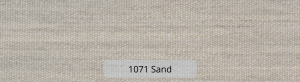
1071 Sand
1074 Wheat
1065 Cherry
1075 Bamboo
Striped fabrics
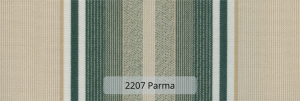
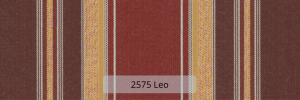
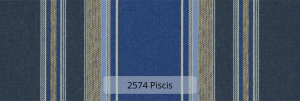
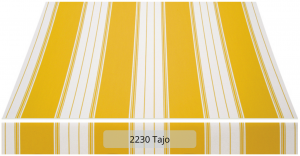
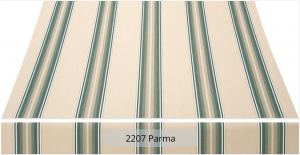
Close-up of the weave and an illustrative view of how the fabric may look on an awning.
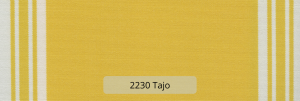
2230 Tajo · sample
2207 Parma · sample
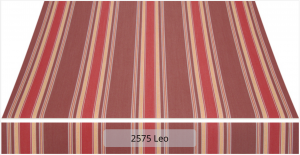
2575 Leo · sample
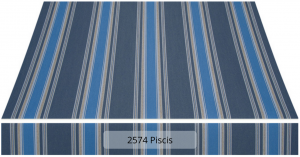
2574 Piscis · sample
2230 Tajo · awning
2207 Parma · awning
2575 Leo · awning
2574 Piscis · awning
Waterproof acrylic fabric
Solrain
Solrain is a range of waterproof acrylic fabrics that retains the appearance and feel of a textile awning fabric while offering much greater protection from water. It is a strong option when the aim is to combine shade, some additional heat protection and better performance during rainfall.
The fabric alone, however, is not enough. For the complete system to perform correctly, the fabrication, seams, tension and sufficient pitch must prevent water pockets from forming and allow rainwater to drain away.
An important point
With a retractable system, allow the fabric to dry completely before closing it. In strong winds, retract the awning or pergola cover to protect both the fabric and the structure.
Plain Solrain fabrics
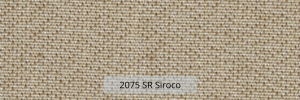
2075 SR Siroco
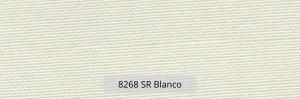
8268 SR White
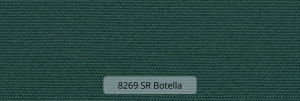
8269 SR Bottle Green
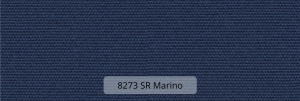
8273 SR Navy Blue
Striped Solrain fabrics
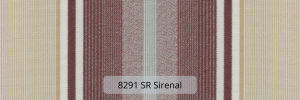
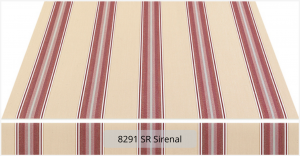
8291 SR Sirena · sample
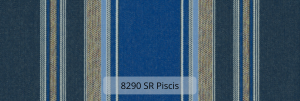
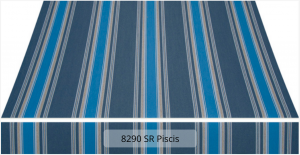
8290 SR Piscis · sample
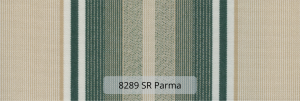
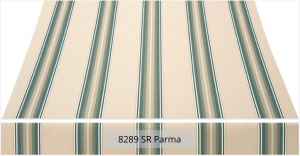
8289 SR Parma · sample
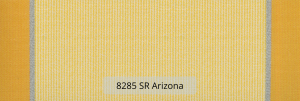
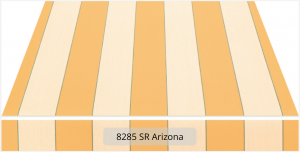
8285 SR Arizona · sample
8291 SR Sirena · awning
8290 SR Piscis · awning
8289 SR Parma · awning
8285 SR Arizona · awning
Photocatalysis and self-cleaning properties
Green fabric
Green is a Sauleda acrylic fabric with a treatment developed alongside Pureti that activates a process known as photocatalysis. In simple terms, exposure to light helps break down some airborne pollutants, including NOx, SOx and certain volatile organic compounds.
According to laboratory tests, this process can reduce nitrogen dioxide levels by approximately 55%. It also provides a self-cleaning effect and helps slow mould growth. Like other acrylic fabrics, it is water-repellent but not waterproof.
In 2025, Green received a Red Dot Award for its design and functionality, recognising this technology applied to solar protection.
55
NO₂ reductionApproximately 55% in laboratory tests.
60
Less mould growthThe technology helps slow its growth on the fabric.
70
Self-cleaning effectMay reduce the need for intensive cleaning and lower the use of water and cleaning products.
Examples of Green colours
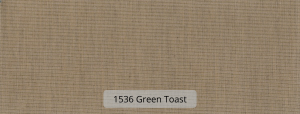
1536 Green Toast
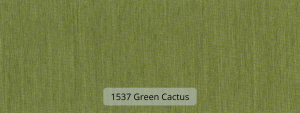
1537 Green Cactus
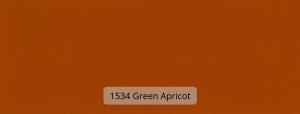
1534 Green Apricot
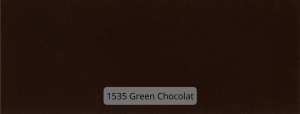
1535 Green Chocolat
Where does it work particularly well?
It can be a good choice for urban terraces, commercial façades, hospitality spaces and projects looking for a durable acrylic fabric with added environmental value.
Technical solar control
Soltis 92, Soltis 96 and PVC fabrics
These are technical options, but they behave very differently: micro-perforated Soltis fabrics prioritise airflow and heat control, whereas PVC prioritises waterproof performance.
Micro-perforated
Soltis 92 and Soltis 96
These are micro-perforated fabrics: they allow air to pass through and prevent the heat build-up that can occur beneath completely closed fabrics. Soltis 92 delivers very high solar control, while Soltis 96 creates a slightly more open, pleasant shade that is particularly well suited to awnings and terraces.
Both reduce glare, make good use of natural light and retain a degree of outward visibility. During the day they can also improve privacy, provided the exterior is brighter than the interior.
The micro-perforated versions of Soltis 92 and Soltis 96 are not waterproof: rain can pass through the small openings just as air does. They are designed for solar control and thermal comfort, not as watertight covers.
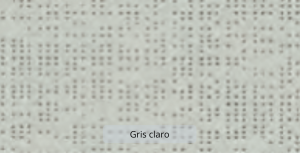
Light Grey
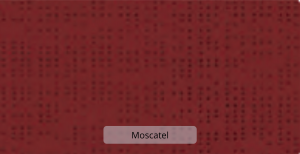
Muscat
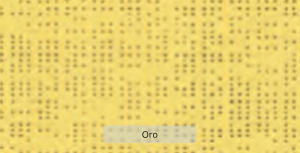
Gold
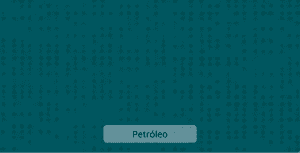
Petrol Blue
Waterproof
PVC or VIP-FR fabric
PVC, listed as VIP-FR in some collections, is a flat technical fabric lacquered on both sides. Its main advantage is waterproof performance, and it is available in a wide range of colours.
It is a very durable material, but it is not our first choice for a retractable arm awning because:
This type of awning is not designed to withstand storms or significant water accumulation. If the arms are forced to carry too much weight, the mechanism is placed under stress and its service life may be reduced.
Because PVC does not breathe, it can trap more heat and create a greenhouse-like effect beneath the fabric.
Where does it work well?
On fixed covers, technical structures or systems specifically designed to drain water and work with a fully waterproof fabric.
Pergola covers
Opak, Cube, Trend and Trend Light
These fabrics are designed especially for tensioned pergolas in gardens, patios, terraces and hospitality settings. They combine very high protection from sun and rain with a more refined underside finish.
Opaque and waterproof
Opak and Cube fabrics
Opak and Cube have been developed especially for tensioned pergolas, both in private homes and on hospitality terraces.
Their three-layer construction provides very high protection from water, helps reduce heat and delivers strength and durability. Flame-retardant versions are also available for certain references.
Viewed from below, they provide a clean, even finish. Any dirt that may build up on the upper surface is also less visible.
Contemporary texture
Trend and Trend Light
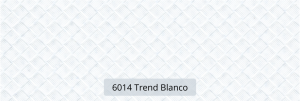
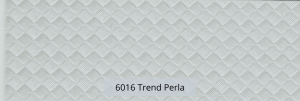
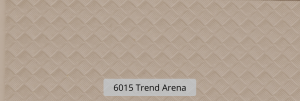
Trend and Trend Light are also intended for tensioned pergolas, but feature a more contemporary woven texture and are slightly lighter than Opak and Cube.
Their three-layer composition provides very high water protection, helps reduce heat and performs well in outdoor conditions. Flame-retardant versions are also available.
They look very similar at first glance. The main difference is their weight: Trend is approximately 730 g/m², while Trend Light is around 650 g/m².
Opak fabric
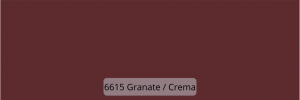
The grey and burgundy colours shown in this collection are two-tone: the underside displays the selected colour, while the upper face is cream.
6613 White
6616 Cream
6615 Burgundy / Cream
6614 Grey / Cream
Cube fabric
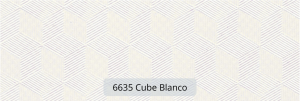
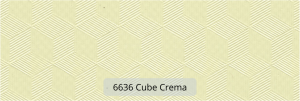
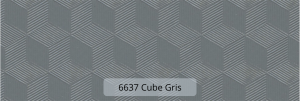
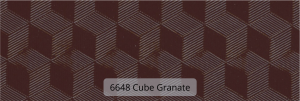
Cube is very similar to Opak, but stands out for the geometric pattern visible from below and its glossy finish, which reflects more light. On these references, the colour is the same on both sides.
6635 Cube White
6636 Cube Cream
6637 Cube Grey
6648 Cube Burgundy
Trend and Trend Light
6014 Trend White
6016 Trend Pearl
6015 Trend Sand
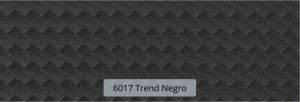
6017 Trend Black
Current collections
Recent fabrics and alternatives for different projects
Current catalogues include new textures, colours and solutions for better control of sunlight, heat and visibility. These are some of the ranges we can consider depending on the system and the result you want to achieve.
New from Sauleda in 2026
CocoShade
A new outdoor shading solution made from natural coconut fibre. It is designed to create more organic shade and blend into projects with a natural or contemporary aesthetic.
Sauleda Solar Pro
More acrylic designs
Current acrylic collections include Mosaik, Fantasy, Force, Loop, Tandem, Plus, Solrain and Top-FR, alongside a very broad range of plain colours and classic designs.
Technical solar control
More screen fabric options
Alongside Soltis 92, options include Soltis 88, Soltis 96, Sauleda Screen 50 and Screen 60. The fabric openness factor varies, affecting airflow, outward visibility and solar protection.
Recasens alternatives
Recacril and RecScreen
Recasens offers Recacril acrylic fabrics and technical ranges such as RecScreen, as well as other solutions for awnings, screens, covers and specific textile applications.
i
The availability of each collection, colour and reference may vary. Before making a final choice, check the current range and view a physical sample, especially for neutral, grey and earth tones or textured fabrics.
To extend its service life
How to care for your awning fabric
Gentle cleaning and correct use prevent dirt from becoming embedded and help avoid staining, deformation and premature wear.
01
Remove loose dust
Use a soft brush or gentle vacuuming before wetting the fabric.
02
Water and mild soap
Clean with a soft sponge. Avoid solvents, abrasive detergents and wire brushes.
03
Leave it open to dry
Do not retract the awning while it is damp. Good airflow helps prevent marks and mould growth.
04
Retract it in strong winds
The fabric may be resistant, but strong gusts place the arms and structure under considerable stress. On motorised awnings, a compatible wind sensor can trigger automatic retraction when the preset wind level is exceeded.
Answers to common questions
Frequently asked questions about awning fabrics
What is the best fabric for a retractable arm awning?
For retractable arm awnings, the most common options are solution-dyed acrylic fabric and Soltis 96. Acrylic creates a more textile-like, breathable and balanced shade; Soltis 96 is micro-perforated, allows greater airflow and helps reduce heat. The right choice depends on the awning’s orientation, size and intended use.
Can a waterproof fabric be left open when it rains?
Only when the system is designed for this purpose and has sufficient tension, pitch and water drainage. On a conventional retractable awning, pooled water can overload the arms. It must be retracted in strong winds.
Does Soltis 92 provide privacy?
During the day, yes, particularly when it is brighter outside than inside. At night, with the interior lights on, this effect is reduced and may be reversed.
What is the difference between acrylic and screen fabric?
Acrylic creates a more textile-like, opaque shade, whereas screen fabric is micro-perforated, allows air to circulate and retains some outward visibility. Screen fabric is not waterproof.
Are the colours shown on screen accurate?
The images are for guidance, but screen brightness and settings can alter the appearance of each shade. Before making a final choice, we recommend comparing physical samples with the façade, window frames and structure.
Where can I see fabric samples?
You can visit our showroom in Vilanova i la Geltrú to compare real colours, textures and options and decide which fabric best suits your awning or pergola.
Choosing the right fabric starts with understanding the space
Tell us where you would like to install the awning or pergola, its orientation, how the space will be used and what matters most to you. We will help you choose the system, fabric and colour with clear, practical guidance.
Performance, colours and availability may vary by reference and as catalogues are updated. Sample images are for guidance only; we recommend viewing the fabric in person before choosing the final colour.
Lex forward innovation SL. usa cookies, tanto propias como de terceros, técnicas, analíticas,personalizadas, publicitarias y/o de afiliados, para ofrecer realizar distintas finalidades mostradas en la configuración, ubicada en nuestra política de cookies. Con las cookies de terceros podemos compartir información sobre el uso que haga del sitio web con nuestros partners de redes sociales, publicidad o análisis web, quienes pueden combinarla con otra información que les haya proporcionado o que hayan recopilado a partir del uso que haya hecho de sus servicios. Siempre podrá rechazar las cookies o configurarlas a su medida. Más información: Política de cookies
This website uses cookies to improve your experience while you navigate through the website. Out of these, the cookies that are categorized as necessary are stored on your browser as they are essential for the working of basic functionalities of the website. We also use third-party cookies that help us analyze and understand how you use this website. These cookies will be stored in your browser only with your consent. You also have the option to opt-out of these cookies. But opting out of some of these cookies may affect your browsing experience.
Et truquem nosaltres per resoldre els teus dubtes
Omple el següent formulari per poder-te contactar.
Te llamamos nostoros para resolver tus dudas
Rellena el siguiente formulario para poderte contactar.