
Interior aluminium doors after years of termite problems
This family had been dealing with termites for years. They had tried treatments and replaced damaged timber, only for the problem to come back again later on.
Eventually, they would rather live without interior doors than fit another set of timber doors and risk ending up in exactly the same situation.
That is where we came in. The idea was simple: put doors back into the home, but change the material that had caused them so much trouble.
When you simply don't want to go through it all again
This was not the first time the family had experienced problems with termites. They had been dealing with them for some time and had already tried different solutions.
The issue was that, even after treatment, the doors and frames were still made from timber. So the same question kept coming up: “What if we replace them and a while later it happens all over again?”
In fact, they spent around six months without interior doors. Before installing new ones, they wanted to be sure that this time they were taking a different approach.
Aluminium doors do not remove a termite infestation that may be present elsewhere in the property. What they do mean is that the doors and their aluminium frames are no longer another source of timber for termites to attack.
Not just replacing the doors, but changing the approach
The aim was not simply to take out the old doors and fit new ones. After everything the family had been through, it made little sense to rely on timber again in exactly the same areas.
We chose interior aluminium doors and also checked what was behind the existing frames before finishing the installation.
Moving away from timber
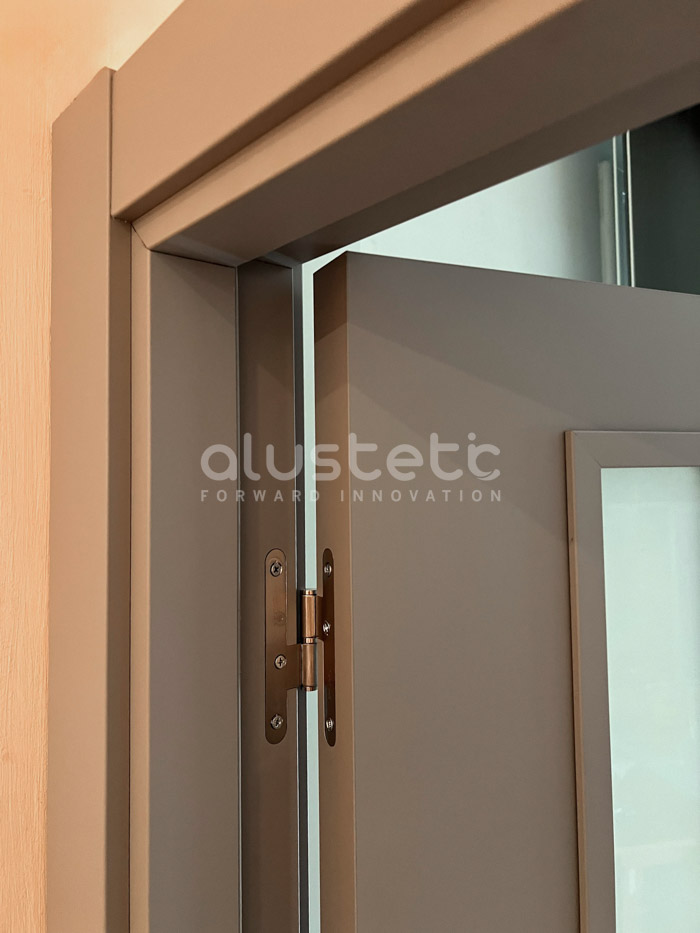
The new frames are aluminium. It is a straightforward way to make sure that, if termites ever appear again, the door itself does not become part of the problem.
Checking what is behind the frame
Removing an old door is a good opportunity to check the opening and the subframe behind it. In a home that has had termites, we would rather inspect it before covering everything up again.
Making sure they looked right too
We did not want the result to look like a set of “special termite-proof doors”. They needed to feel completely at home in the property, just like any other interior door, but with the advantages of aluminium.
Before fitting the new door, it is worth seeing what is behind the old one
When we remove an old frame, we do not like simply covering up whatever is behind it and carrying on.
That was particularly important here because the property had already experienced termite problems. We therefore checked this area and prepared the subframe before fitting the new doors.
The video shows part of that process.
Preparing and installing the subframe during the NKRI project.
Being aluminium doesn't mean they have to look like metal doors
This is probably one of the hardest things to picture before seeing the doors installed.
When people hear “interior aluminium door”, they often imagine something cold or industrial. Once these doors are fitted, however, what you see is simply an interior door that belongs in a home.
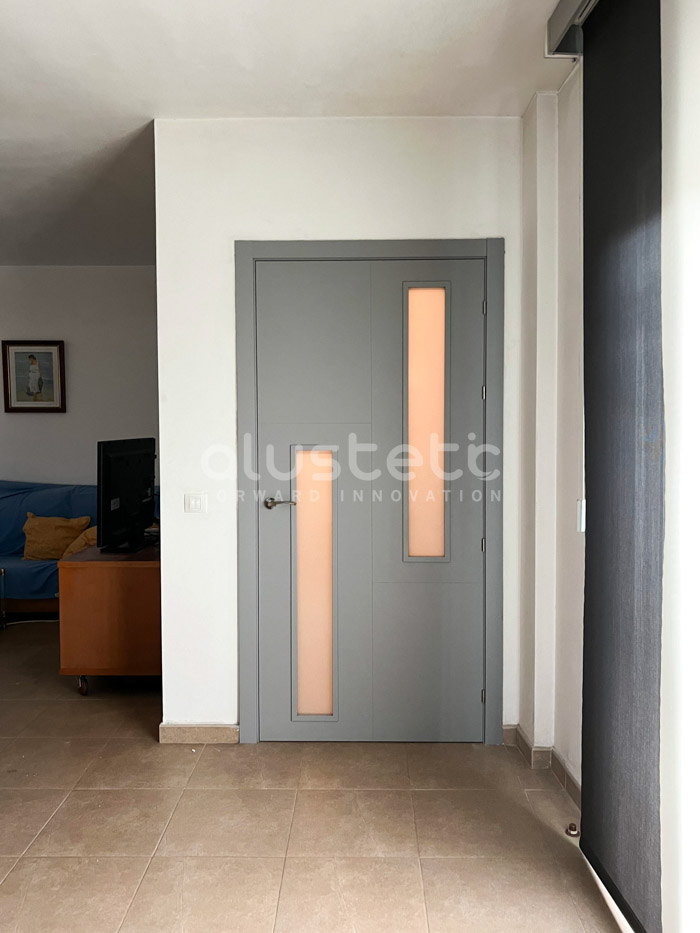
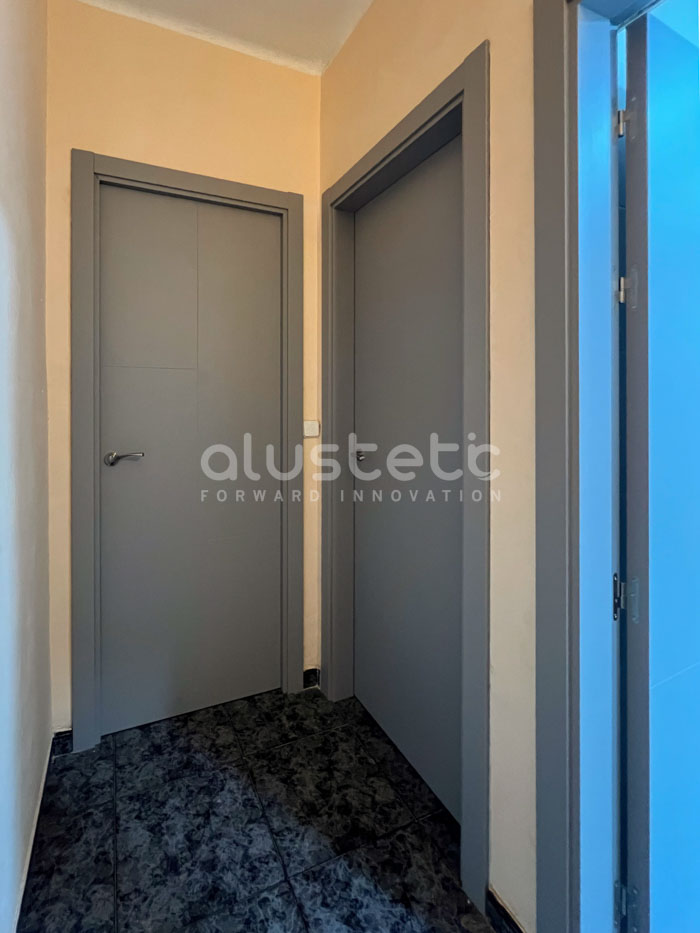
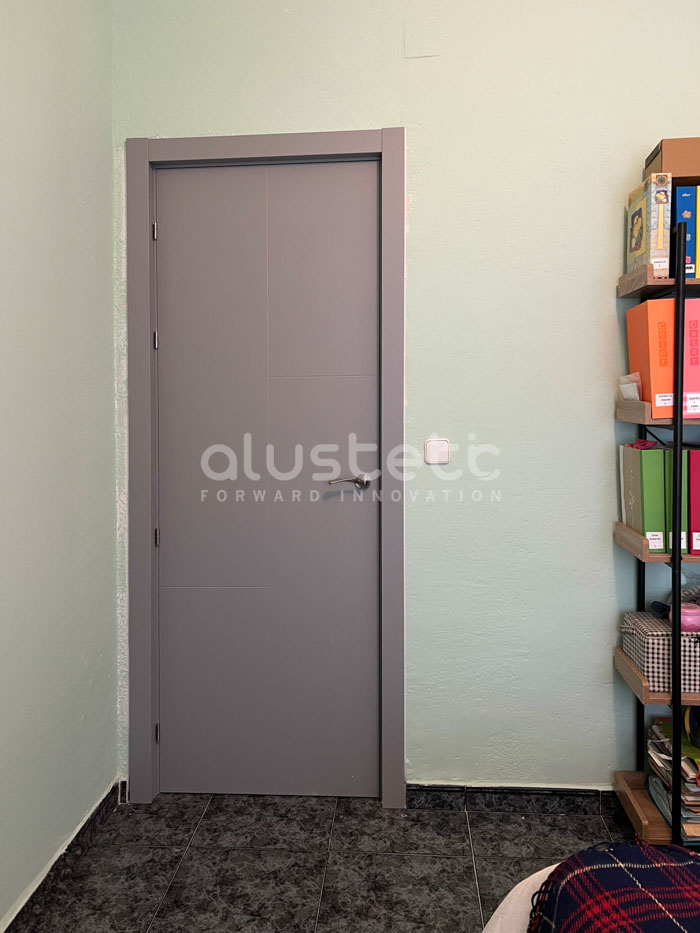
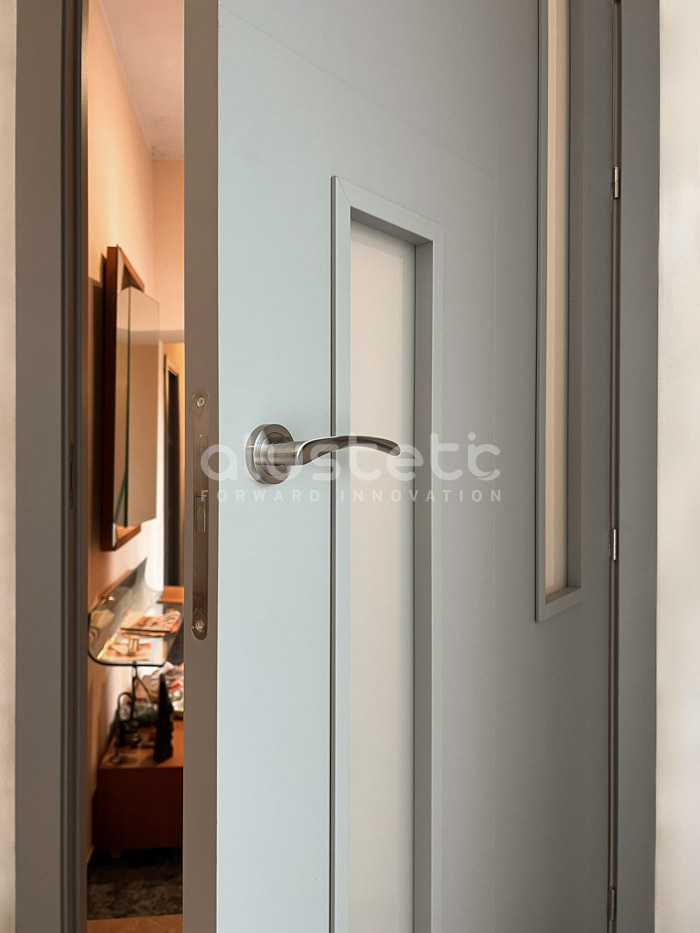
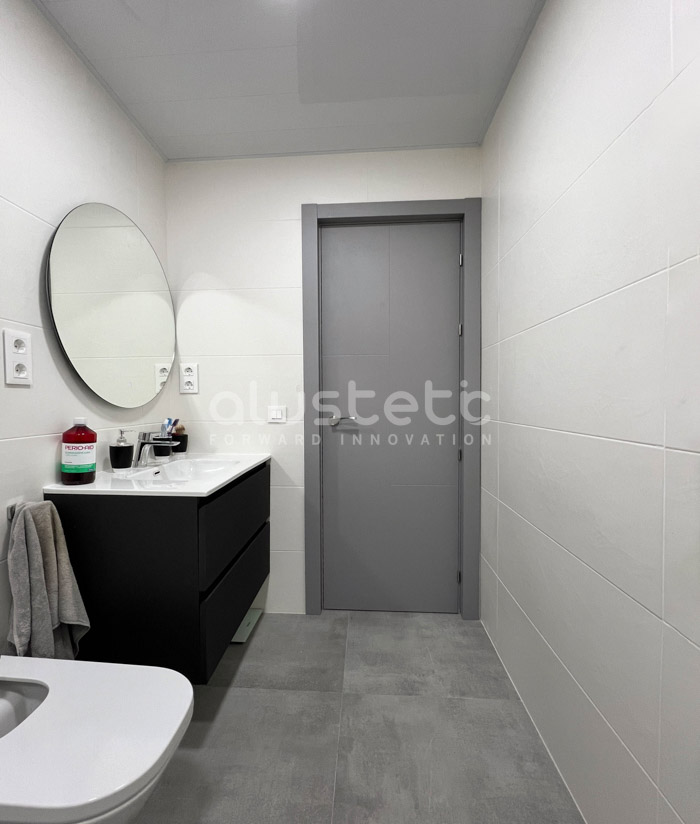
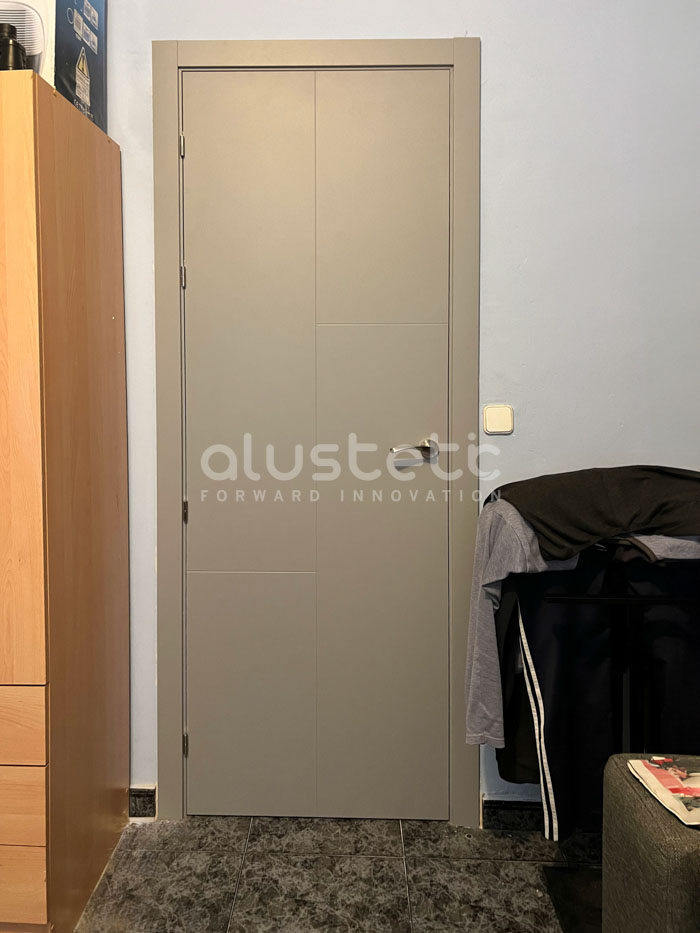
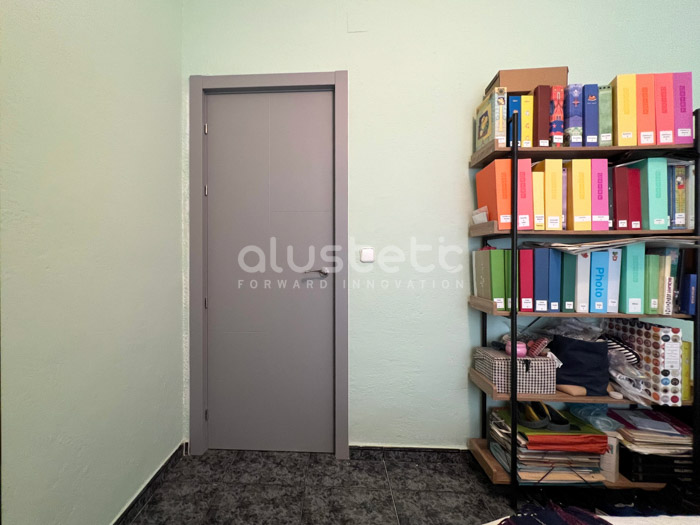
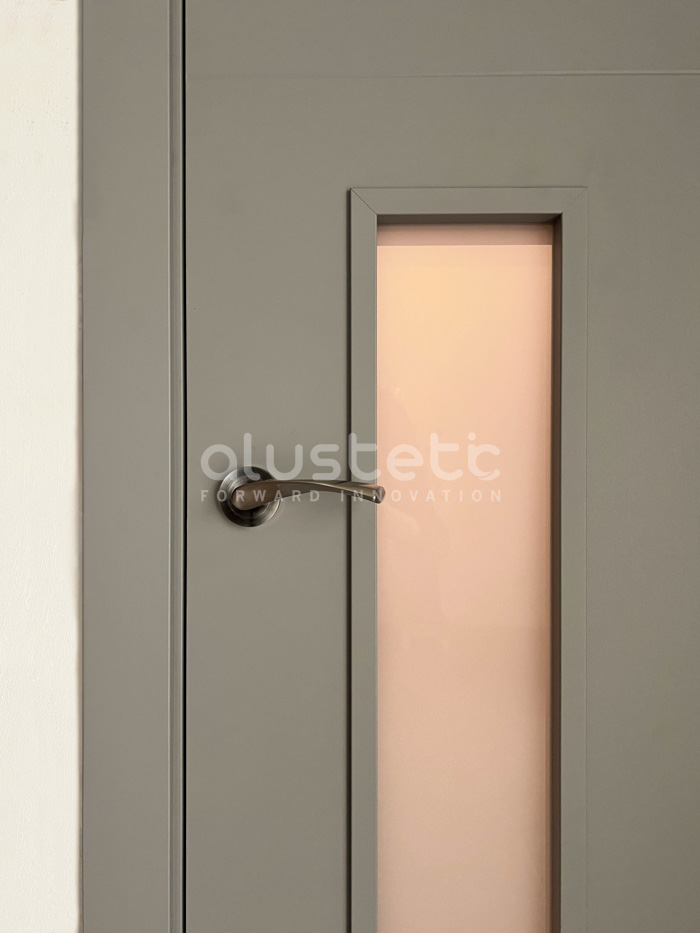
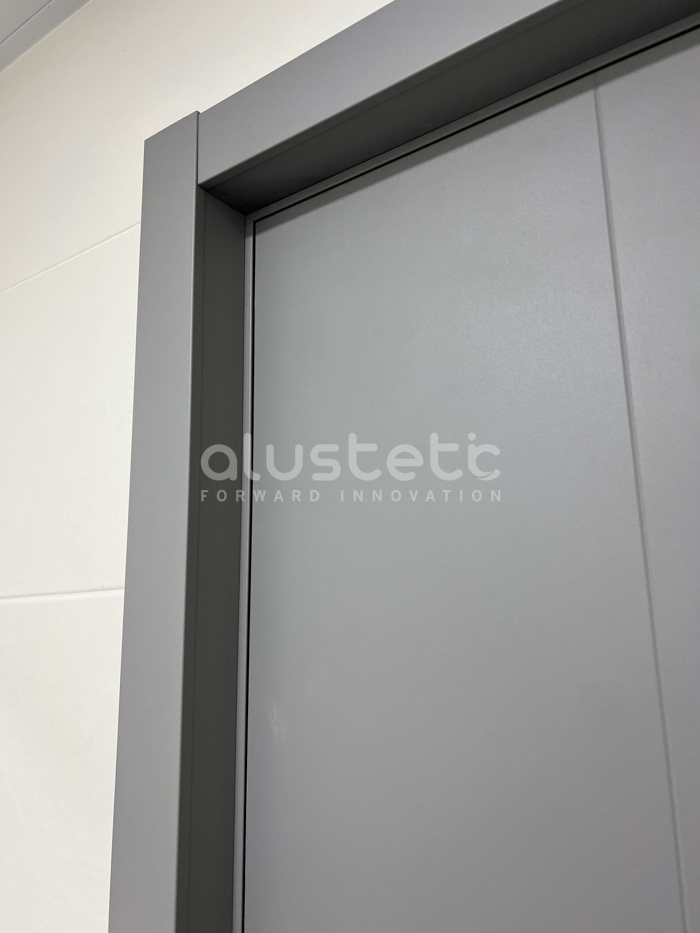
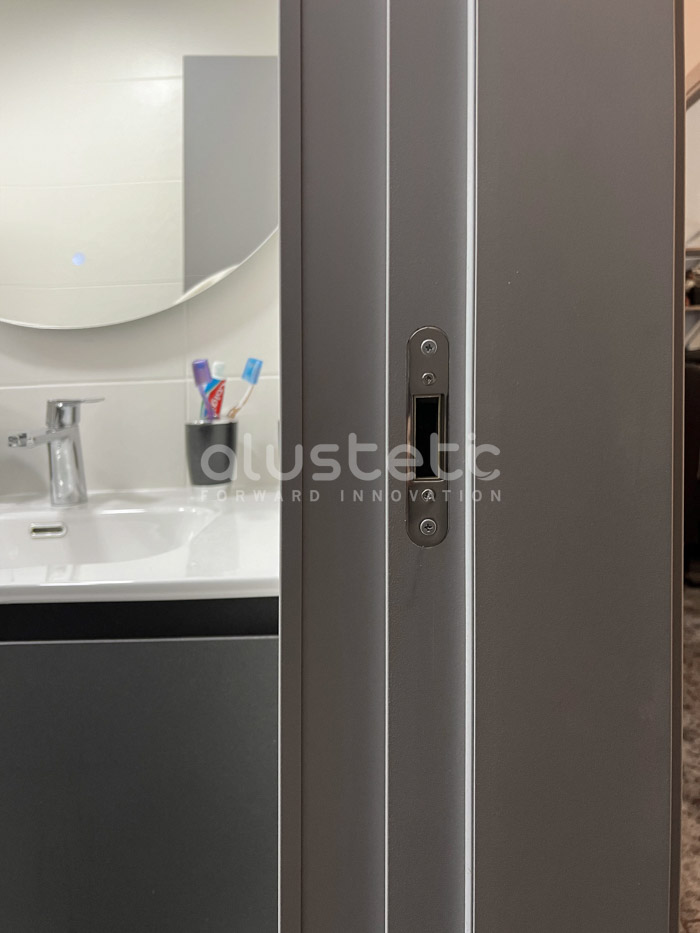
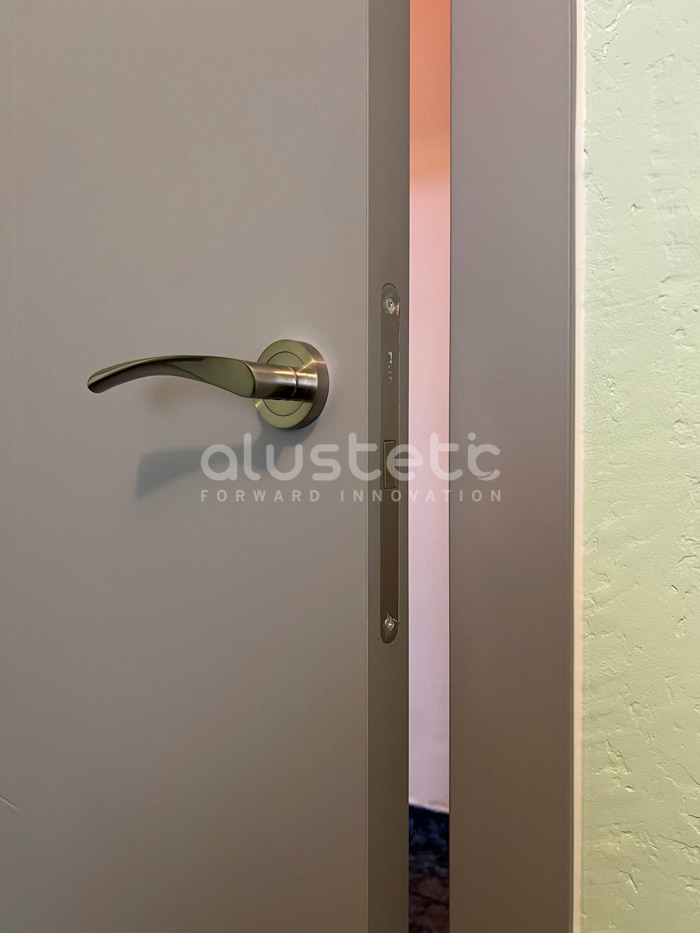
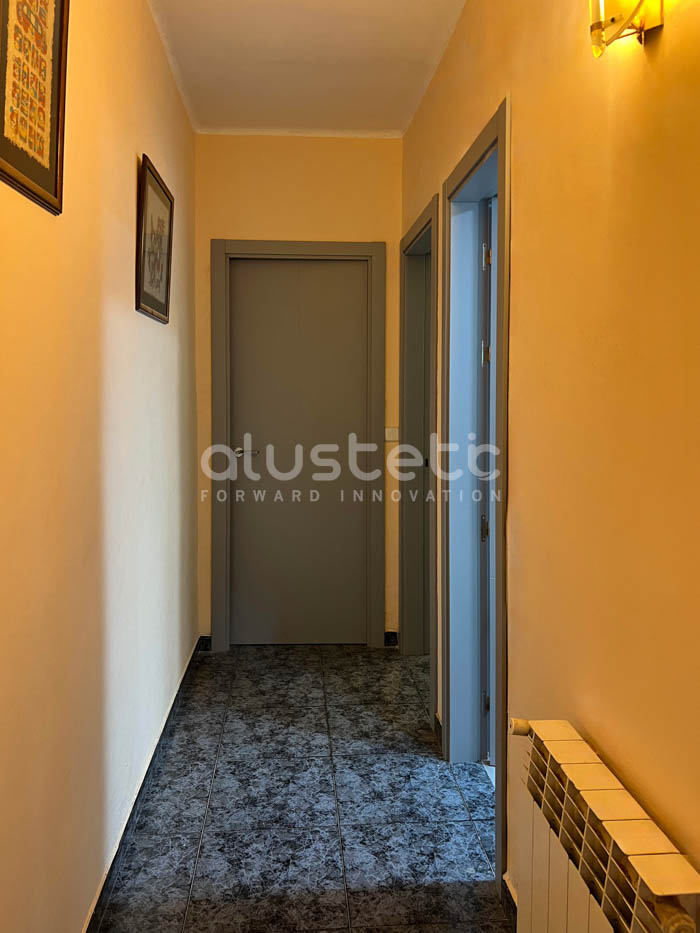
For this project, the family chose a very neutral grey, with simple routed lines on the door panels and metal handles. The double door includes translucent glazing, allowing light to pass between the rooms while still providing privacy.
The same colour across the door, frame and trims so everything feels like one complete design.
Solid and glazed doors depending on what works best for each room.
A simple, understated design that works easily with the rest of the home.
For this home, it made perfect sense
We are not saying aluminium has to be the right choice for every home. But when you have spent years dealing with problems affecting timber, some of its advantages become particularly important.
Termites cannot feed on it
This is the key difference in a project like this. Aluminium is not timber and does not provide termites with a food source.
It doesn't swell with moisture
This is particularly useful in areas such as bathrooms, where doors are regularly exposed to changes in humidity.
More privacy between rooms
These doors provide 25 dB acoustic reduction, helping to create better separation between different rooms in the home.
You don't have to compromise on design
Colours, glazing, routed designs and different finishes can all be chosen to suit the style of the property.
Having doors throughout the home again, without the same constant worry
In the end, that was the most important part of the project.
After spending so long worrying about termites, the family simply wanted their home to feel normal again, with doors in every room, but without going back to the same material that had caused them problems before.
There are now aluminium doors in the bedrooms, bathrooms and hallways, all following the same design.
And visually, they do not stand out because they are aluminium. They simply look like the doors that belong in the home.
A closer look at the NKRI project
We have selected a few different views of the installation to show both the overall result and some of the details around the doors, frames and fittings.
Have termites or woodworm affected your door frames?
If you have already had problems with timber doors and do not want to go through the same thing again, tell us what is happening in your home. Send us a few photos and we can look at the options with you.